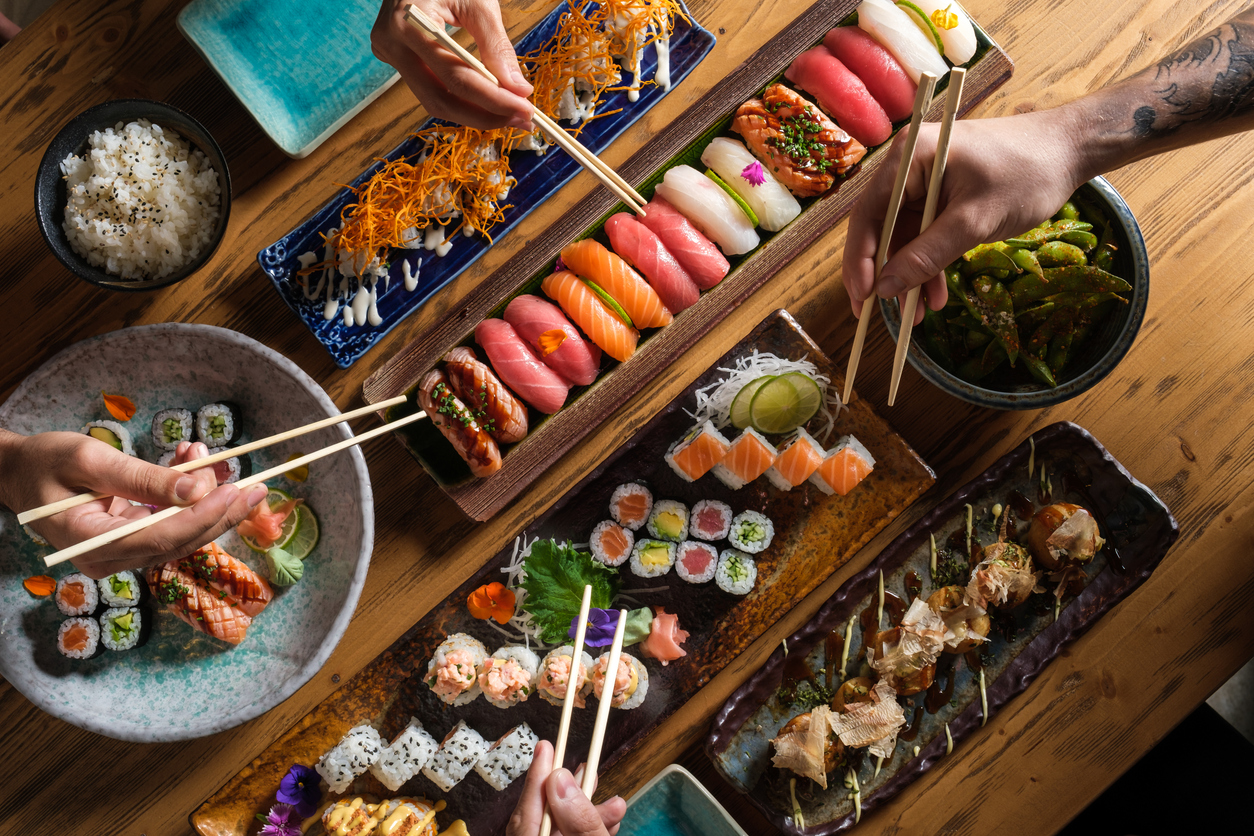
In this article, we’ll take you on a journey through the delicious world of Japanese cuisine and share six must-know tips for opening a sushi restaurant. From preparing a solid business plan to obtaining the necessary licenses—not to mention creating an enticing menu, training your team, developing a compelling marketing strategy, and strictly adhering to regulations—you’ll be giving yourself the best possible chance of success!
If you're interested in the concepts of fast and healthy dining, be sure to check out the guide to opening a salad bar—a business model that shares many similarities with a sushi restaurant in terms of market positioning and customer base.
1. Draw up a solid business plan to open a sushi restaurant
Define your goals and vision
Any plan to open a restaurant—whether it’s a franchise or not—begins with the development of a solid business plan. Among other things, this document defines your goals and vision for your sushi restaurant. Why do you want to open a sushi restaurant? What type of customers are you targeting? Do you want to offer a high-end dining experience or a more casual and affordable option? The answers to these questions will guide all your future decisions, from designing your menu to decorating your restaurant.
Analyze the market and the competition
Thorough market research is essential to understanding the environment in which you are about to launch your business. Analyze trends in the sushi market, identify the leading sushi restaurants in the area, and assess their strengths and weaknesses. A solid understanding of your competitors and your customer base will help you find ways to stand out and attract loyal customers.
Estimate costs and financial forecasts
Every self-respecting business plan includes a detailed estimate of start-up costs and financial forecasts. Calculate the costs involved:
Also, develop realistic revenue and expense projections for the first few years of operation. This will help you determine the funding you need and convince investors or banks to support your project.
2. Obtain the necessary licenses and authorizations
A sushi restaurant is no exception; it, too, requires numerous licenses and permits before it can open its doors. Identify the ones specific to sushi restaurants, such as liquor licenses, health certificates, and business licenses. Make sure you are familiar with all the legal requirements in your area to avoid any legal issues.
The licensing application process can be lengthy and complex. Find out about the specific steps and processing times for each license. We recommend that you begin this process well in advance to avoid any delays in opening your restaurant.
Licensing costs can vary significantly depending on the region and the type of permit. Be sure to factor these costs into your initial budget and ensure you have the necessary funds to cover these expenses without compromising other aspects of your project.
3. Create a varied menu by choosing ingredients carefully
Supplier selection criteria
The quality of ingredients is essential for a sushi restaurant. In fact, a large portion of your customers will come to your restaurant for the flavors, which depend largely on the quality of the ingredients. It is therefore important to select good suppliers. Prioritize those who offer fish from sustainable fisheries and local products to ensure freshness and support the local economy. Today’s consumers are increasingly concerned about these issues.
Negotiating contracts and prices
Once you have identified potential suppliers, you will move on to the negotiation phase. This will allow you to keep costs competitive while ensuring consistent quality. Delivery terms, volume discounts, and payment terms are all aspects you can discuss.
Maintaining long-term relationships with suppliers
It is in your best interest—and that of your restaurant—to build a trusting, long-term relationship with your suppliers. To do so, be sure to communicate with them regularly, meet payment deadlines, and be flexible when problems arise. A good relationship will allow you to benefit from high-quality products and favorable terms. It will also save you the hassle and costs associated with finding new partners.
4. Invest in quality training
The importance of training for sushi chefs
Chefs working in sushi restaurants absolutely must have the technical and artistic expertise to guarantee the quality of their dishes and make the difference with the surrounding establishments. Investing in quality training for your kitchen team is therefore crucial. This will ensurefood safetybut also an exceptional culinary experience for your customers.
Training options available
There are various training options for sushi chefs, ranging from specialized culinary schools to apprenticeships with experienced chefs; the most effective approach is always to combine theory and practice. Look for programs that offer comprehensive and in-depth training, covering sushi preparation techniques, ingredient management, and food safety standards.
Training costs and duration
It’s difficult to give you an estimate of the costs and duration of training, as they can vary so much. Regardless of the type of training, be sure to factor these expenses into your initial budget and plan accordingly so that your team is ready as soon as your restaurant opens. Ongoing training can also be a good idea to maintain high standards and introduce new techniques and recipes.
Your brand identity should reflect your vision and appeal to your target audience. You can bring this brand identity to life by creating a unique and welcoming environment , whether through modern, minimalist decor or a Japanese-inspired atmosphere (traditional tableware, low tables, Japanese music, etc.). A strong brand identity will help you stand out from the competition and attract a loyal customer base.
Using social networks and digital marketing
Socialsocial media platforms are powerful tools—and have become essential—for promoting your restaurant. Make the most of them by sharing mouthwatering photos of your dishes, videos of sushi preparation, and testimonials from satisfied customers. Turn your restaurant into an “Instagrammable” spot with eye-catching visuals that encourage customers to share their experience online.
Organize promotional events
Organizing promotional events is a great way to attract new customers and build loyalty among existing ones. Have you considered adding themed nights, free tastings, or sushi-making workshops to your calendar? These events can not only boost your visibility in a unique way, but also strengthen your connection with the local community.
Differentiating your sushi restaurant from the competition
We’ve been saying this since the beginning of this article, but to stand out from the competition, nothing beats originality and quality. Sushi, tempura, noodles, gyoza, onigiri—offer unique dishes and flavors you can’t find anywhere else, use top-quality ingredients, and provide impeccable service, and customers will come flocking. Customizing orders and offering vegetarian or vegan options can also attract a diverse customer base.
Technology can also help you make a difference and improve your customer service. At Innovorder, we offer an ecosystem of digital solutions that are seamlessly integrated with one another. Let's talk about it!
Reaching more customers
For sushi restaurants, delivery is not something to be taken lightly: it can account for between 60% and 70% of their revenue. This dining option has become indispensable in a world where consumers seek convenience and speed. To maximize their revenue potential and reach a broader customer base, sushi restaurants must incorporate online ordering, home delivery, and click-and-collect options.
6. Pay attention to regulations
Food rules in the kitchen and dining room
While delighting your customers’ taste buds remains one of your primary goals, you must first and foremost comply with food safety regulations to ensure your customers’ safety and satisfaction. This involves, in particular, training your staff on current hygiene standards —both in the kitchen and in the dining room—to prevent any risk of contamination.
Frozen or homemade products
Regulations governing frozen and homemade products must be strictly followed. Do you use frozen products? Be sure to follow the proper thawing guidelines. Homemade products must also comply with food safety standards.
Cold chain management
Cold chain management is a major challenge in a sushi restaurant, to preserve the quality and safety of the ingredients used in these Japanese specialties. Maintain the right temperatures for storing and transporting fresh products, and make sure your refrigeration equipment is in perfect working order.
Respecting the hot chain
Respecting the hot chain is just as important. Cooked dishes must be maintained at safe temperatures to prevent the proliferation of bacteria. Your staff must also be trained to correctly manage the temperature of hot food.
Waste management
Next is the issue of waste management. This requires special attention to ensure a clean environment that is respectful of the planet. Set up a waste sorting system, recycle as much as possible, and make sure food waste is disposed of properly to prevent nuisances and health risks.
"With 20 years' experience working for some of the world's largest foodservice groups, I'm helping the sector with its digital transformation through innovative digital solutions."
"With solid experience in developing key accounts, I'm supporting the digital transformation of the foodservice sector by proposing innovative digital solutions to optimize operations."