How short supply chains are revolutionizing institutional catering
Noémie Daniel
Updated on:
03 March 2026
Share this article
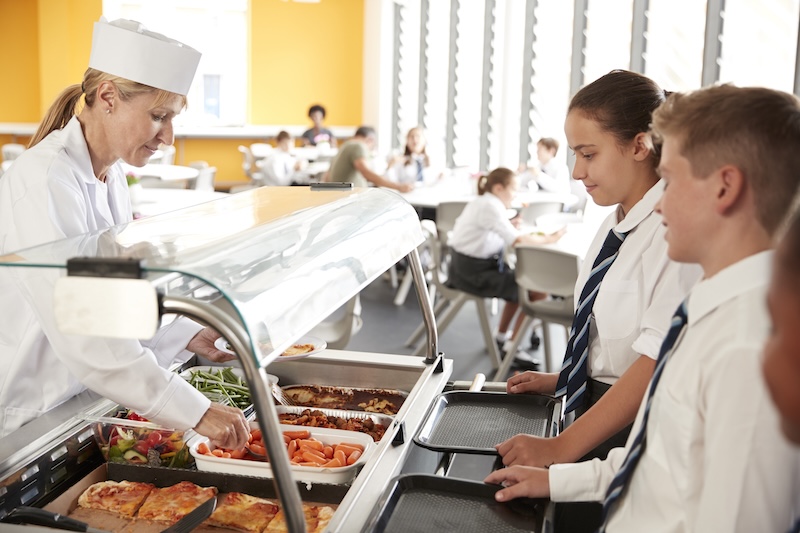
Faced with environmental, health, and economic challenges, institutional catering is accelerating its food transition. At the heart of this evolution, short supply chains in institutional catering are emerging as a key driver. They are transforming procurement practices, improving the quality of meals served, and restoring meaning to the act of feeding thousands of diners every day.
What is a short supply chain in institutional catering?
A short food supply chain refers to a distribution method with a maximum number of intermediaries between the producer and the end consumer. In collective catering, this means purchasing local products for canteens or central kitchens directly from producers, cooperatives, or regional platforms.
Contrary to popular belief, short supply chains are not limited to geographical proximity. They are also based on transparency, traceability, and a better understanding of the origin of the products served.
The many facets of transformation: benefits and challenges
In institutional catering, this procurement method acts as a catalyst for change on several levels, far beyond what is served on the plate.
For high-quality, local, and sustainable food
Integrating short supply chains into collective catering improves the nutritional quality and taste of meals. Products arrive fresher, are often less processed, and are better suited to seasonality.
This approach is fully in line with the food transition in collective catering, consistent with the objectives of the EGalim law: more sustainable products, more organic products, and greater transparency.
Guests notice the difference. They understand what they are eating, where it comes from, and why these choices are made. The result: greater acceptance of the menus and increased attendance.
A driver of regional economic and social development
This approach does not only benefit kitchens. It supports the local economy, secures agricultural outlets, and creates lasting relationships between producers and communities.
By structuring local partnerships, institutions become key players in their region. They participate in a collective dynamic, often driven by regional food projects, which promote employment, resilience, and food sovereignty.
Overcoming obstacles: implementation and regulatory framework
While there are many benefits, setting up a local supply chain for institutional catering requires method and organization.
Managing logistics and supply challenges
Variable volumes, seasonality, multiple suppliers... Short supply chains are disrupting organization and purchasing habits. To succeed, establishments must adapt their menus, plan more carefully, and rely on digital tools capable of managing flows.
Solutions such as those offered by Innovorder can facilitate this transition.
Innovorder is a long-term partner because its solutions evolve in line with our needs - Julien Perret, founder of Bchef
From a regulatory standpoint, short supply chains are subject to the same health regulations as long supply chains. Traceability, hygiene, supplier control: everything remains regulated.
Local producers are subject to the same obligations as national distributors. The key lies in clear procedures and formalized partnerships.
The implementation of a short supply chain in collective catering relies on close cooperation between several stakeholders.
The role of local authorities and Territorial Food Projects (PAT)
Local authorities play a leading role. They structure the supply, facilitate networking, and support establishments in their efforts. Regional Food Projects enable producers, public buyers, and local stakeholders to coordinate around common objectives.
These measures secure supply and simplify purchasing, particularly through appropriate platforms or public procurement.
Strategies for effective partnerships and networks
Establishing an effective system requires long-term partnerships, smooth communication, and the right tools. Successful institutions are those that test, adjust, and rely on data to guide their transition.
In summary, short supply chains in institutional catering are not just an ethical choice. They are a real lever for performance, attractiveness, and regulatory compliance. By structuring the right partnerships and relying on appropriate digital solutions, institutional catering can successfully transition to sustainable food practices while controlling costs and enhancing the experience of those it serves.
FAQ
What is a short supply chain in catering? A supply method with few or no intermediaries, promoting proximity, traceability, and sustainability.
What are short supply chains? Direct sales, producer groups, local platforms, regional cooperatives.
How can you set up local sourcing for institutional catering? Start by mapping local producers, incorporating seasonality into menu planning, and securing volumes through contracts or group purchasing. Management tools can then be used to adjust quantities and ensure reliable day-to-day organization.
Is the short supply chain compatible with the volumes of institutional catering?
Yes, provided that needs are anticipated, suppliers are pooled, and menus are adapted to local production capacities. Regional platforms and digital tools play a key role in managing volumes without undermining producers.
Are short supply chains more expensive in institutional catering? Not necessarily. Better planning, reduced waste, and careful purchasing management can often offset the unit costs.
-
Did you like these tips? Don't hesitate to consult our other articles on our blog to help you develop your business!
Innovorder is the leader in digital solutions for commercial and institutional catering. Our team supports restaurateurs in their digital transformation with a complete ecosystem (cash register, kiosk, tray scanning, online ordering).
"With 20 years' experience working for some of the world's largest foodservice groups, I'm helping the sector with its digital transformation through innovative digital solutions."
"With solid experience in developing key accounts, I'm supporting the digital transformation of the foodservice sector by proposing innovative digital solutions to optimize operations."